Exercise
Exercise
is physical activity that is planned, structured, and repetitive for the
purpose of conditioning any part of the body. Exercise is used to improve
health, maintain fitness and is important as a means of physical
rehabilitation.
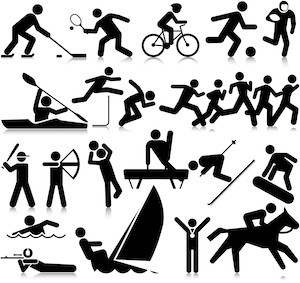
Before
beginning any exercise program, an evaluation by a physician is recommended to
rule out potential health risks. Once health and fitness level are determined
and any physical restrictions identified, the individual's exercise program
should begin under the supervision of a health care or other trained professional.
This is particularly true when exercise is used as a form of rehabilitation. If
symptoms of dizziness, nausea, excessive shortness of breath, or chest pain are
present during exercise, the individual should stop the activity and inform a
physician about these symptoms before resuming activity. Exercise equipment
must be checked to determine if it can bear the weight of people of all sizes
and shapes. Individuals must be instructed in the proper use of exercise
equipment in order to prevent injury.
= Main Idea
= Supporting


I think it is knowledge and very useful.
ตอบลบThank you for your sharing.
ตอบลบThank you for your sharing.
ตอบลบNice map.
ตอบลบ